What is the chimp test?
The chimp test is a short-term memory challenge made famous by research at Kyoto University’s Primate Research Institute. A young chimpanzee named Ayumu learned to remember where the numbers 1 to 9 appeared on a screen after seeing them for a fraction of a second — and in that task he often did better than university students.
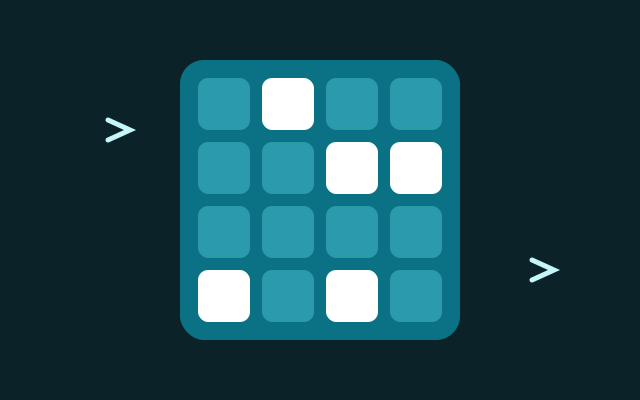
Ape Memory is our browser version. Numbers appear on the board; click 1 and the rest turn into blank squares. Click them in the right order from memory. Each success adds one more number.
What is a good chimp test score?
Your score is the largest number of squares you cleared before your third strike. As a rough guide:
| Numbers cleared | What it means |
|---|---|
| Under 7 | Warm-up |
| 7 – 10 | Typical adult range |
| 11 – 14 | Above average working memory |
| 15 – 20 | Excellent |
| 20+ | Exceptional — rare without practice |
How to get better at the chimp test
- Before clicking 1, trace the whole route with your eyes from 1 to the last number.
- Look for shapes: a triangle of 1-2-3 or a line of 4-5-6 is easier than single squares.
- Group the board into left and right halves and remember each separately.
- A strike repeats the same count, so use it to try a new strategy.
- Switch Numbers hide to “After 2 seconds” for a different challenge.
Why can chimpanzees beat humans at this?
Researchers believe young chimpanzees can take in a whole scene very quickly, while humans tend to remember things by naming them, which takes longer. When the numbers vanish almost instantly, that quick snapshot ability wins. With more viewing time, as in this game, people do much better — but the test still gets tough fast.